 FundedPulse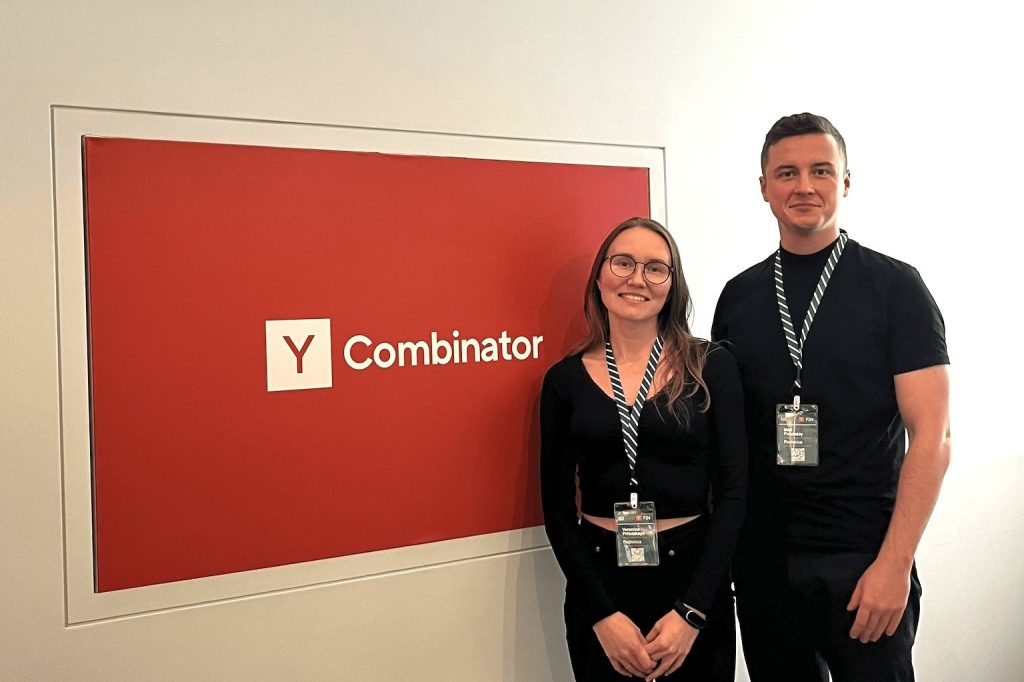
From Hackathon to Global Localization Engine
Software localization has long been a bottleneck for companies expanding internationally — a slow, expensive process of translating interfaces, documentation, and content across dozens of languages. Lingo.dev, based in San Francisco, automates the entire workflow using AI. The platform integrates directly with CI/CD pipelines via GitHub and GitLab, leveraging LLMs from Anthropic and OpenAI to deliver context-aware translations that go far beyond word-for-word substitution.
The company was born from a Cornell hackathon. Co-founders Max Prilutskiy and Veronica Prilutskaya previously built and sold Notionlytics, a Notion analytics tool used by Stanford, Sequoia, and Shopify. Originally called Replexica, the company rebranded to Lingo.dev and joined Y Combinator's Fall 2024 batch.
Why It Matters
Lingo.dev raised a $4.2M seed round and had already reached $1.1M in revenue by September 2025 — a strong signal of product-market fit. Customers include Mistral AI and Cal.com, and the platform includes an open-source component that has helped build developer community adoption. Angel investors include the Supabase CEO and Dependabot founders. As software companies increasingly need to ship globally from day one, an AI-native localization engine that plugs directly into the developer workflow represents a significant upgrade over legacy translation management systems.